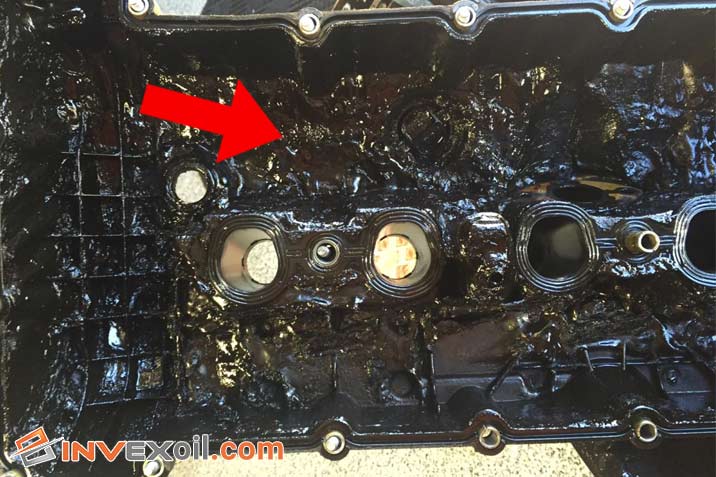
The importance of dispersants in modern engines has grown significantly with the evolution of high-performance internal combustion engines, particularly under increasingly demanding emission regulations and thermal loads. As engine designs get more efficient and tighter tolerances, oil cleanliness is no longer a nice-to-have; it’s a must-have. Dispersants as a core additive in engine lubricants do this job by preventing insoluble particles from agglomerating and keeping contaminants suspended for removal by filters or during oil changes.
The effectiveness of dispersants is directly linked to the performance and life of an engine. That’s why engine oil formulation is controlled to the last detail, often blended at state of a art Oil Blending Plant and supported by technologies like Industrial Oil Purification Service (On-Site), both of which are expertly provided by INVEXOIL. These services ensure engine oils meet exact additive concentration, peak performance, and remain clean throughout their service life.
The importance of dispersants in modern engines can be broken down into several key roles:
- Suspension of Soot and Sludge
- Prevention of Varnish and Deposit Formation
- Optimization of Oil Flow and Film Stability
- Protection of Metal Surfaces from Microscopic Wear
- Enhancement of Oil Filter Performance
- Stabilization of Additive Packages
- Reduction in Cold-Start Deposits
- Improvement in Emission Control Compatibility
- Prevention of Oil Thickening and Gelation
- Extension of Oil Drain Intervals
Each of these functions is supported by scientific parameters and performance metrics that quantify the action of dispersants under real and simulated engine conditions.
1. Suspension of Soot and Sludge
In modern engines, especially those under high load or extended drain intervals, soot and sludge are unavoidable due to incomplete combustion and oil degradation. Dispersants are the key additives that prevent the aggregation of these by-products by encapsulating insoluble particles in a molecular shell. This ensures that contaminants stay in the oil rather than settling on engine components where they can cause wear, deposit formation, and loss of engine efficiency.
The molecular design of dispersants, typically succinimide or phenate-based polymers, allows them to work over a wide temperature range and under harsh chemical conditions. By keeping the particles in suspension, these additives prevent filter clogging and sludge deposition in oil galleries and support continuous lubrication and heat dissipation. This is especially important in direct injection diesel and turbocharged gasoline engines, where soot load and oil oxidation are much higher.
Suspension of Soot and Sludge Scientific Parameters:
- Total Base Number (TBN) Retention: Dispersants help maintain TBN by neutralizing acidic by-products.
- Typical TBN Retention Rate: >70% over 10,000 km
- Test Method: ASTM D2896
- Soot Handling Capacity: Indicates how much soot the oil can suspend without forming deposits.
- Max Soot Level: Up to 6.5 wt% for heavy-duty engines (per ASTM D5967)
- Dispersancy Index (DI): Laboratory parameter derived from blotter spot tests or Thermogravimetric Analysis (TGA).
- DI Value: >0.85 for high-performance oils (scale of 0 to 1)
2. Prevention of Varnish and Deposit Formation
Varnish and carbonaceous deposits are caused by thermal degradation and oxidation of oil in high-temperature zones like piston skirts, ring grooves, and turbocharger bearings. Dispersants prevent this by chemically isolating degradation precursors and soluble oxidation products before they can condense or polymerize into hard, insoluble layers. Their amphiphilic structure allows them to adsorb onto polar contaminants, reducing their surface energy and keeping them in colloidal suspension.
This is the key to surface cleanliness, ring sticking, and sealing efficiency. Without it, you get blow-by and oil consumption. Dispersants also reduce the need for engine teardown or mechanical cleaning by keeping the oil stable under stress. In effect, they are dynamic cleaners, scrubbing high-stress engine areas, especially under stop-and-go driving or idling conditions common in city driving.
Prevention of Varnish and Deposit Formation Scientific Parameters:
- Panel Coker Test (ASTM D7097): Measures the deposit-forming tendency of oil.
- Acceptable Deposit Weight: <15 mg for modern dispersant-formulated oils
- TEOST 33C Test (ASTM D6335): Simulates turbocharger deposit formation.
- Limit Value: <35 mg for engine oils with modern dispersants
3. Optimization of Oil Flow and Film Stability
Oil needs to be in balance between fluidity and film strength, especially with soot, water, and combustion blow-by gases present. As soot accumulates in the oil, it thickens the fluid and degrades the flow properties, especially at low temperatures. Dispersants stabilize soot particles so they don’t agglomerate, and the oil can retain its designed viscosity profile. This allows for consistent hydrodynamic lubrication, which is critical for reducing friction and wear at the boundary and mixed lubrication regimes.
Plus, dispersants help preserve the elasticity and integrity of the lubricant film by preventing particulate-induced shear thinning and viscosity breakdown. So, dispersants indirectly improve the oil’s high-temperature high shear (HTHS) performance by maintaining uniform flow properties. In modern engines with tight clearances and variable valve timing systems, having optimal oil flow is not just good, it’s essential for system reliability and life.
Optimization of Oil Flow and Film Stability Scientific Parameters:
- Low-Temperature Viscosity (Cold Crank Simulator – ASTM D5293): Dispersants reduce thickening due to soot.
- Target CCS Viscosity: <6,000 cP at –25°C for SAE 5W-30 oils
- High-Temperature High-Shear (HTHS) Viscosity (ASTM D4683): Indicates oil film stability under stress.
- HTHS Range: 3.2–3.6 mPa·s at 150°C for optimal shear protection
4. Protection of Metal Surfaces from Microscopic Wear
Microscopic wear in areas like cam lobes, lifters, and cylinder liners is caused by abrasive particles that are not neutralized or suspended in the oil. Dispersants capture these micro-contaminants before they hit the metal surfaces and minimize the three-body wear mechanism. This is especially important in high-pressure and temperature engines where boundary lubrication dominates, and surface fatigue or scuffing is much higher.
By preventing soot and wear debris from agglomerating, dispersants allow the oil’s anti-wear additives (ZDDP or molybdenum-based) to work without interference. Clean surfaces also allow tribofilms to form, further enhancing mechanical integrity. Over time, this reduces cylinder bore polishing, ring groove wear, and valve train degradation, extending component life and MTBO.
Protection of Metal Surfaces from Microscopic Wear Scientific Parameters:
- Ball-on-Cylinder Lubricity Evaluator (BOCLE) and 4-Ball Wear Test (ASTM D4172):
- Typical Wear Scar Diameter: <0.45 mm
- Role of Dispersants: Work synergistically with anti-wear additives like ZDDP
5. Enhancement of Oil Filter Performance
The oil filter’s ability to remove contaminants is dependent on the state of dispersion of those particles in the oil. Dispersants help keep particles small and evenly distributed so the filter media can capture them without getting clogged. Without dispersants or not enough, particles clump together into larger clusters that can overwhelm or bypass the filter and contaminate the system and wear on the engine.
In advanced filtration systems like full-flow and bypass filters, dispersant-supported oils allow for better contaminant capture and lower differential pressure across the filter. This means consistent oil flow, no filter collapse under high pressure, and longer filter life. And the synergy between dispersants and filtration is critical for hybrid engines and start-stop systems, where filtration during frequent startups is key to engine protection.
Enhancement of Oil Filter Performance Scientific Parameters:
- Filter Plugging Test (CEC-L-99-08): Measures dispersant efficiency in keeping insolubles away from filters.
- Target Plugging Index: >90% pass rate for modern oils with optimized dispersants
6. Stabilization of Additive Packages
In complex lubricant formulations, many additives, antioxidants, anti-wear agents, detergents, and viscosity modifiers must coexist and remain chemically stable over long service intervals. Dispersants play a key role in stabilizing this chemical environment by preventing unwanted interactions or agglomeration between additives, especially at high temperatures. A good dispersant keeps the oil in a colloidal and molecular balance so other additives can do their job without premature degradation or interference.
This is critical in modern engines where oils are expected to perform under extreme thermal and mechanical stress. Dispersants reduce the risk of additive dropout or deactivation, especially in Group III or synthetic base oils, where solubility characteristics are different from mineral oils. Advanced metrics like Additive Compatibility Index (ACI) and Dispersant-Antioxidant Synergy Index (DASI) measure this role, how dispersants protect the integrity and synergy of the additive package during normal and extended drain cycles.
Stabilization of Additive Packages Scientific Parameters:
- Additive Compatibility Index (ACI): Ensures dispersants do not destabilize other additives.
- Desirable Range: ACI ≥ 95% based on proprietary OEM test cycles
- Dispersant-Antioxidant Synergy Index (DASI): Quantifies performance gain when both are present.
- DASI Increase: Up to 40% extended oxidation resistance
7. Reduction in Cold-Start Deposits
Cold starts are the most stressful conditions for an engine. That’s because oil takes time to circulate, and the initial combustion is fuel-rich-it’s a recipe for deposit formation. Dispersants do two key things there: they stop soot and combustion by-products from sticking together into those deposits, and they keep tiny contaminants suspended in the oil, keeping it nice and fluid. That’s especially important in direct-injection engines and turbocharged gasoline engines, which are more prone to localized cold-start fouling.
Those dispersants really get put to the test in low-temperature volatility and cold-start simulation tests. The NOACK volatility test gives us an idea of how much oil components evaporate and form deposits at high temperatures. Proprietary cold-start tests show that when you use advanced dispersants, you can actually see a reduction in the deposits that build up on piston rings and valve trains. By giving engines a cleaner start, dispersants reduce wear, improve start-up efficiency and extend engine durability. That’s especially true in winter climates or when drivers are doing a lot of stop-and-go driving.
Reduction in Cold-Start Deposits Scientific Parameters:
- NOACK Volatility Test (ASTM D5800): Measures oil evaporation, linked to cold-start deposit risk.
- Target Volatility: <13% mass loss at 250°C
- Cold Start Simulation Test: Proprietary tests show up to 30% less piston ring deposit with modern dispersants
8. Improvement in Emission Control Compatibility
Modern emission control systems, DPFs, three-way catalysts, and SCR units are very sensitive to ash and metal-based residues. Dispersants, especially ashless ones, improve oil compatibility with these systems by preventing soot and metallic contaminant formation and by minimizing catalytic surface poisoning. Dispersants keep soot in suspension, not combusted into hard carbon, which would otherwise increase particulate loading.
This is not just about system longevity; it’s about regulatory compliance. Emission standards like ACEA C3 and API SN/CK-4 have strict limits for sulfated ash, phosphorus, and sulfur (SAPS), so dispersant chemistry selection is critical. By using metal-free dispersants that achieve high soot dispersion without adding to SAPS, formulators can ensure long-term efficiency of after-treatment devices and lower total emissions across the vehicle’s life.
Improvement in Emission Control Compatibility Scientific Parameters:
- Catalyst Compatibility Testing (ACEA C3 Specification):
- Sulphated Ash Content: <0.8 wt%
- Phosphorus Content: <0.07 wt%
- Dispersants must be metal-free to avoid poisoning after-treatment devices
9, Prevention of Oil Thickening and Gelation
Over time, lubricants thicken and gel, especially under high-temperature operation or high blow-by engines. This is due to the formation and polymerization of oxidized hydrocarbons and fuel soot. Dispersants prevent the early stages of polymerization by bonding with the polar oxidation precursors and sterically hindering their interaction. As a result, they prevent the chain reaction mechanisms that cause viscosity increase and gelation.
The importance of dispersants in this context is proven by tests such as ASTM D2270 for viscosity increase after oxidation and Gel Index Evaluation (GIE) for oil stability under cold soak conditions. Oils with a good dispersant system resist viscosity change, allowing consistent film formation and flow properties throughout the drain interval. This means fuel economy, consistent oil pumpability, and no mechanical issues like filter blockage and hydraulic valve sticking in cold weather.
Prevention of Oil Thickening and Gelation Scientific Parameters:
- Viscosity Increase After Oxidation (ASTM D2270):
- Permissible Increase: <15% after 72 hours at 150°C
- Dispersants inhibit polymerization of oxidized hydrocarbons
- Gel Index Evaluation (GIE): Measures oil tendency to gel under cold soak conditions
- Acceptable GIE: <2 on a 0–10 scale
1o. Extension of Oil Drain Intervals
As engines and lubricants have become more advanced, extending oil drain intervals is a cost-effective and environmentally driven goal for fleet operators and OEMs. Dispersants are key to this strategy as they allow oils to resist degradation, contamination, and deposit formation over thousands of kilometers. By keeping particles suspended and neutralised, dispersants slow down the rate of oil degradation, especially in high-load, high-soot environments common in diesel fleets and turbocharged petrol engines.
Extension of oil drain intervals is scientifically proven by a combination of oxidation stability tests and long-duration field trials. Dispersants allow for greater retention of Total Base Number (TBN) and delay of oxidation thickening, thus allowing drain intervals of 20,000-80,000 km depending on application and engine design. The Oxidation Stability Index (OSI) measured by tests such as ASTM D2272 shows how dispersant-enhanced oils resist thermal oxidative breakdown and provide consistent protection and lubrication throughout the extended interval.
Extension of Oil Drain Intervals Scientific Parameters:
- Extended Drain Interval Testing: Real-world tests show that with high-dispersant formulations, drain intervals can be:
- Passenger cars: Up to 20,000 km
- Heavy-duty trucks: Up to 80,000 km (validated by ASTM D7414)
- Oxidation Stability Index (OSI):
- Desirable OSI: >300 minutes (ASTM D2272)
Conclusion
The importance of dispersants in modern engines cannot be overstated. They are part of the operation and longevity of both light-duty and heavy-duty internal combustion engines. From keeping soot and sludge suspended to preventing deposits, maintaining oil flow characteristics, and longer drain intervals, dispersants are the silent guardians of engine health.
Through performance testing and scientific metrics, it’s clear high quality dispersants are needed in modern oil formulations. When used correctly in products blended at a state-of-the-art Oil Blending Plant and maintained with Industrial Oil Purification Service (On-Site) by INVEXOIL, engine oils can perform across all conditions.
In an era where engine design pushes the limits of materials and tolerances, recognizing and applying the importance of dispersants in modern engines is more crucial than ever. From field to formulation, every step counts, and dispersants are the chemical foundation that keeps the engine clean and strong.